Cold room compressor problems are a leading cause of refrigeration system failures. Issues like overheating, low refrigerant, electrical faults, poor maintenance, and blocked condensers can lead to expensive breakdowns. Regular inspections, preventive servicing, and quick repairs can lower the chance of compressor failure and extend your cold room’s lifespan.
Cold rooms are essential for keeping food, medications, flowers, drinks, and other sensitive items safe across the UK. The compressor is the main component of the refrigeration system, often called its “engine.”
When a compressor fails, temperatures can rise quickly, threatening stock, compliance, and business operations. Business owners should learn about common compressor problems and prevention methods to save money on repairs and product losses.
This guide covers the most frequent compressor issues, their causes, warning signs, and practical prevention tips for restaurants, supermarkets, warehouses, food processing facilities, and other commercial spaces.
What Is a Cold Room Compressor and Why Is It So Important?
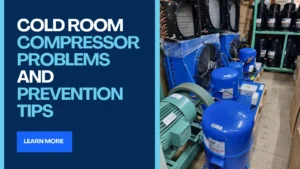
A cold room compressor circulates refrigerant in the refrigeration system. It compresses refrigerant gas and moves it through the condenser and evaporator to remove heat from the cold room.
If the compressor stops working, the refrigeration cycle ends, and the cold room can’t keep the right temperature.
You can think of the compressor as the heart of the refrigeration system. Just like the heart pumps blood in the body, the compressor pumps refrigerant through the system.
Main Functions of a Compressor
- The system squeezes the refrigerant gas.
- It keeps the refrigerant moving.
- It takes heat away from stored items.
- It helps maintain a steady temperature.
- It guarantees effective cooling.
Compressors run all the time, which causes them to wear out. That’s why knowing how to maintain cold rooms is important to avoid costly repairs.
The Most Common Cold Room Compressor Problems
Many refrigeration problems start small but get worse over time.
Compressor Overheating Issues
Overheating is a common problem for cold room compressors.
When the temperature gets too high, the internal parts can get damaged. Too much heat can also ruin the lubricating oil, leading to more wear inside the compressor.
Common causes include:
- Cleaning the condenser coils helps the system run better.
- Improving airflow allows the system to work more efficiently.
- Adding refrigerant ensures the system cools properly.
- Cooling systems struggle in very hot weather.
- Fixing electrical issues keeps the system running smoothly.
- Preventing overwork helps the system last longer.
Refrigerant Leaks
Refrigerant leaks lower system efficiency and make compressors work harder.
When refrigerant levels drop, cooling gets worse, and energy use goes up. This can lead to compressor failure.
Watch for these warning signs:
- Warmer temperatures in cold rooms
- Longer running times
- Ice build-up
- Less cooling power
Electrical Problems
Faulty wiring, damaged capacitors, loose connections, and voltage changes can hurt compressor performance.
Electrical problems often cause:
- Frequent tripping
- Failure to start
- Short cycling
- Motor burnout
Professional inspections can spot these issues early, preventing major damage.
What Causes Refrigeration System Breakdowns?
Understanding why refrigeration systems break down helps businesses fix problems before they become urgent.
Lack of Maintenance
Many compressor failures happen because of ignored maintenance. Dust build-up, blocked condensers, worn parts, and refrigerant problems can all be missed without regular checks.
Poor Airflow
Cold rooms need good airflow to cool properly. Blocked vents, broken fans, or too much storage can limit airflow and put extra pressure on the compressor.
Dirty Condenser Coils
Condenser coils release heat from the refrigeration system. When dirt builds up on the coils, heat can’t escape properly. This makes the compressor work harder, which raises wear and temperatures.
Incorrect Refrigerant Levels
Undercharged and overcharged refrigeration systems can harm compressors.
Low refrigerant causes overheating, while too much refrigerant can cause liquid slugging and internal damage.
Early Warning Signs Your Compressor May Be Failing
Spotting problems early can stop a system from failing completely.
Unusual Noises
Grinding, rattling, knocking, or buzzing sounds often mean there are mechanical problems inside. Don’t ignore these noises; they usually get worse over time.
Rising Energy Bills
A struggling compressor uses more electricity to keep temperatures steady. If energy costs rise unexpectedly, check the refrigeration equipment right away.
Temperature Fluctuations
Inconsistent temperatures usually mean the compressor isn’t working well. This can be especially risky for businesses that store:
- Dairy products
- Frosen foods
- Meat
- Pharmaceuticals
- Medical supplies
Frequent Cycling
Compressors that keep starting and stopping might have electrical problems, refrigerant issues, or thermostat malfunctions.
How Compressor Overheating Damages Your Cold Room
Why Overheating Is So Dangerous
Overheating is a major issue for compressors.
Too much heat leads to:
- Poor oil quality
- Less lubrication
- More wear inside
- Damage to the motor
- Lower efficiency
These problems can cause the compressor to fail completely over time.
Common Causes of Overheating
Many reasons cause compressors to overheat:
| Cause | Effect on Compressor |
| Dirty condensers | Reduced heat rejection |
| Low refrigerant | Increased operating temperature |
| Poor ventilation | Trapped heat |
| Faulty fans | Reduced airflow |
| Electrical issues | Excessive current draw |
| High ambient temperatures | Increased workload |
Regular inspections are the best way to prevent overheating issues.
Step-by-Step Cold Room Servicing Guide
Regular servicing is essential for protecting compressors.
Step 1: Inspect Condenser Coils
- Check for dirt, dust, grease, and debris.
- Clear coils help heat transfer and make the compressor work less.
Step 2: Check Refrigerant Levels
- Make sure the refrigerant level matches what the manufacturer recommends.
- Wrong levels can greatly lower efficiency.
Step 3: Examine Electrical Components
Inspect:
- Wiring: Check the wires for damage.
- Contactors: Look at the contactors for wear and tear.
- Relays: Examine relays for proper function.
- Capacitors: Inspect capacitors for signs of failure.
- Control Panels: Review control panels for any issues.
Finding electrical problems early can save you money on repairs.
Step 4: Test Fans and Airflow
- Check that all condenser and evaporator fans work properly.
- Good airflow keeps temperatures stable and the compressor running efficiently.
Step 5: Monitor System Pressures
- Pressure readings can show problems before you see any symptoms.
- Professional engineers use pressure testing to find potential issues early.
Practical Ways to Prevent Cold Room Compressor Failure
Prevention is better than repair.
Schedule Professional Maintenance
Routine inspections find problems before they get worse.
Businesses that invest in preventative maintenance see:
- Fewer breakdowns,
- Lower repair costs,
- Better energy efficiency,
- Longer equipment life.
Keep Condensers Clean
- Cleaning your compressors regularly keeps them running well.
- Dirty coils are a simple but avoidable cause of stress for compressors.
Monitor Operating Temperatures
- Install monitoring systems that notify staff when temperatures go out of the normal range.
- This enables quick action to protect stock.
Address Minor Issues Immediately
Small problems can turn into costly repairs if ignored. A small refrigerant leak today might require a compressor replacement tomorrow. For businesses in Birmingham needing reliable cold room repair and maintenance, regular servicing is the best way to save money.
Common Mistakes That Shorten Compressor Life
Many compressor failures happen because of preventable errors.
Ignoring Strange Noises
- Unusual sounds can be the first sign of problems.
- If you wait until the cooling stops working well, repairs will likely cost more.
Skipping Preventive Maintenance
- Some businesses postpone service to save money. Unfortunately, this can result in bigger repair costs and unplanned downtime.
Blocking Airflow
- Overloading storage areas can block airflow and make refrigeration equipment work harder.
- Always keep enough space around evaporators and vents.
Delaying Refrigerant Repairs
- Refrigerant leaks won’t fix themselves.
- Taking quick action helps keep the system running well and the compressor healthy.
Real-World Example: How a Small Issue Became a Major Failure
A food distribution business in Birmingham noticed higher temperatures in its cold rooms during summer.
At first, the problem seemed small. But staff ignored occasional alarms and rising energy bills. Over weeks, a dirty condenser and low refrigerant caused the compressor to overheat. Eventually, the compressor failed completely.
The results included:
- Emergency repair costs
- Spoilt products
- Disrupted operations
- Temporary cold storage rental costs
A routine service could have caught the issue early and saved thousands of pounds. This shows why many businesses depend on professional cold room repair services in Birmingham to keep their systems reliable.
Expert Cold Room Maintenance Tips for Long-Term Reliability
Experienced refrigeration engineers suggest these best practises:
Monthly Checks
- Check the temperature regularly.
- Pay attention to any strange noises.
- Examine the seals on the doors.
- Look over the alarm records.
Quarterly Maintenance
- Wipe down the condenser coils to remove dirt and improve efficiency.
- Check the electrical parts for any damage or wear.
- Measure the refrigerant pressures to ensure they are at the right levels.
- Make sure the fan is working properly.
Annual Professional Servicing
A yearly inspection gives a clear view of how the system is doing and spots future risks.
Businesses with big refrigeration systems often gain from organised maintenance plans and continuous support for cold room repairs in Birmingham.
When Should You Call a Professional Engineer?
Some refrigeration problems need immediate help from a professional. Contact a specialist if you see:
- The compressor isn’t starting.
- The system shuts down often.
- You smell something burning.
- The temperature keeps rising.
- There’s excessive vibration.
- Ice is building up.
- You notice refrigerant leaks.
Trying to fix complex issues without training can cause more damage and safety risks. If you have a freeser, services for walk-in freesers and cold rooms in Birmingham can reduce downtime and protect your stock.
People Also Ask
What is the most common cold room compressor problem?
Overheating is a common problem with compressors. It usually happens because of dirty condenser coils, blocked airflow, refrigerant issues, or electrical problems.
How can I prevent cold room compressor failure?
Regular maintenance, cleaning the condenser, checking refrigerant levels, inspecting electrical systems, and making quick repairs are the best ways to prevent problems.
How long does a cold room compressor last?
A well-cared-for compressor usually lasts 10 to 15 years. Poor maintenance can shorten its life.
What causes a refrigeration compressor to overheat?
Low refrigerant, dirty condensers, poor airflow, broken fans, and hot outside temperatures often cause overheating.
Can a compressor be repaired instead of replaced?
In many cases, you can fix small problems. But if there is serious damage inside, it’s usually cheaper to replace it.
Why is my cold room not maintaining temperature?
Possible causes are compressor problems, refrigerant leaks, airflow blockages, thermostat issues, or condenser malfunctions.
Is preventative maintenance worth the cost?
Yes. Preventive maintenance usually costs much less than emergency repairs, lost inventory, and sudden business interruptions.
Protect Your Compressor Before Problems Escalate
Cold room compressors protect sensitive products by working hard behind the scenes. But even the best systems can fail without proper maintenance.
Knowing common problems, spotting early warning signs, and using effective prevention methods can greatly lower the chances of costly breakdowns.
Regular checks, quick repairs, and professional servicing are the best ways to keep your refrigeration system safe.
If you notice compressor issues, rising energy bills, temperature changes, or unexpected alarms, the skilled team at UK Freez Solutions can help quickly in Birmingham and nearby areas. Acting early can save you money on repairs later.